Tips and Guides about Monitoring Response Tracking
Peter Ouma · Reader Ball Excuse · Kisumu
The delay before anyone decides
Networks invest heavily in faster technicians and barely at all in the minutes between an alert and a decision. Yet in the incident data from public service points, that middle interval is routinely the largest of the three, because it depends on somebody being reachable and authorised. An agreed escalation ladder with named fallbacks usually removes most of it in the first month.
Catching the fault before the branch calls
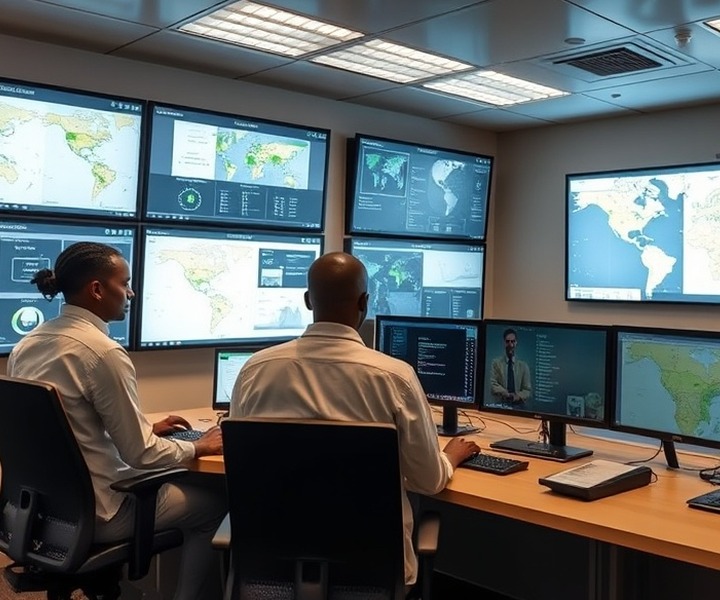
Most of the time lost across a self-service fleet is not in the repair itself but in the gap between the fault and the moment someone reports it. A terminal can go out of service first thing in the morning and only be reported at midday, with that whole morning of demand pushed to the teller desk. Continuous monitoring closes that gap: the incident opens by itself, is ranked by criticality and reaches the field team with the initial diagnosis already done. It is one of the questions branches ask us most often: how long until someone responds.
Minutes of downtime, or people waiting?
Availability expressed as a percentage is easy to nod at and hard to feel. Expressed as the number of people who arrived at a terminal that was not working, the same figure starts conversations about a second unit or a different service window. Same data, different question.